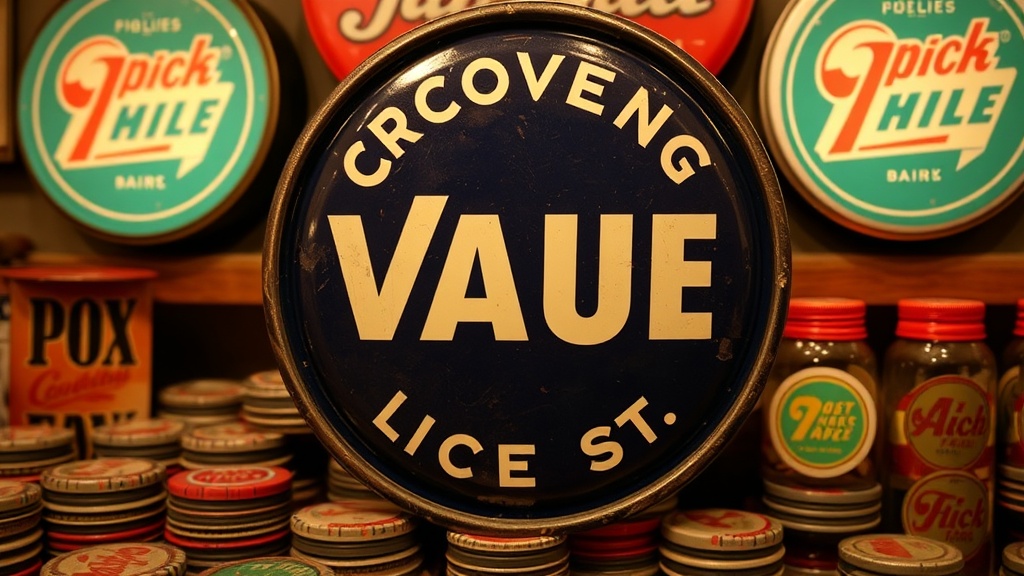
Uncovering True Value: Your Guide to Appraising Vintage Milk Caps

Discovering the Genuine Worth of Your Collection
Understanding what makes a vintage milk cap valuable—and how to accurately assess that value—is key for any serious collector. This guide will walk you through the primary determinants of a cap's worth, show you how to conduct effective research, and explain when to seek out a professional appraisal. We're going to dive into the specifics of condition, rarity, and market demand, helping you build a more informed approach to your milk cap collection.
What Factors Truly Dictate a Milk Cap's Market Value?
Determining the worth of a vintage milk cap isn't always straightforward; it involves a blend of art and science, often requiring a keen eye and a good deal of patience. Several intertwined factors contribute to a cap's overall market value, each playing a significant role.
Condition: The Foundation of Value
Perhaps the most immediate and impactful factor is the cap's condition. Collectors often use a grading scale similar to those for coins or comic books, though less formalized for milk caps. A cap in pristine condition—meaning no creases, tears, fading, or staining—will always command a higher price than one showing significant wear. Small imperfections can dramatically reduce value, so careful handling and storage from the moment you acquire a piece are absolutely critical. Consider investing in archival-quality sleeves and display cases to protect your collection from environmental damage and physical wear.
Rarity: Supply and Scarcity
Rarity refers to how few of a particular cap exist. This can be due to low initial production numbers, limited distribution (perhaps a regional dairy that operated for only a short time), or a low survival rate over the decades. Caps from smaller, independent dairies, or those featuring unusual designs, promotional tie-ins, or historical events, tend to be rarer. Researching a dairy's history, its operational period, and production practices can give you insights into a cap's inherent scarcity. Scarcity, naturally, drives up desirability.
Demand: The Collector's Desire
Even the rarest cap might not fetch a high price if there's no collector demand for it. Demand is influenced by popular themes (like specific cartoon characters, historical figures, or regional landmarks), brand recognition, and aesthetic appeal. Caps featuring beloved characters or iconic advertising, for instance, often attract broad interest. A cap from a local dairy might be highly sought after within that specific community, while a cap with broader appeal could attract collectors globally. Trends within the collecting community can also affect demand; what's popular today might shift in a few years, so staying connected to the community is helpful.
Provenance: A Cap's Backstory
The history of a cap's ownership, known as provenance, can add significant value, particularly for exceptionally rare or historically notable pieces. If a cap was part of a renowned collection, featured in a publication, or belonged to an important figure, documentation of this lineage can increase its desirability and authenticity in the eyes of buyers. While not every cap will have a storied past, documenting what you know about a cap's origin—even if it's just where and when you acquired it—is always a good practice.
How Do I Research the Rarity and Demand for Specific Caps?
Effective research is your superpower when it comes to assessing milk cap values. It equips you with the knowledge to make informed decisions, whether you’re buying, selling, or simply curating your collection. Here’s how to approach it:
Tapping into Online Databases and Forums
The internet offers a treasure trove of information. Dedicated milk cap collecting websites, online forums, and social media groups are invaluable resources. Many collectors share catalogs, checklists, and images of their collections, providing visual references and data on known cap variations. These platforms also let you ask questions, get opinions from seasoned collectors, and learn about caps you might not have encountered before. Participating actively can open doors to a vast network of knowledge.
Analyzing Auction Results and Sales Data
One of the most concrete ways to gauge demand and value is by looking at past sales data. Online auction sites like eBay (filter by “Sold Listings”) or specialized collectibles auction houses provide records of what similar caps have actually sold for. Pay attention to the date of the sale, the condition of the sold item, and any unique characteristics. Remember, asking prices—what a seller hopes to get—don’t always reflect actual market value; it's the *sold* price that truly matters. Compiling this data over time can give you a clear picture of market trends.
Connecting with Collector Communities
Beyond online forums, connecting with local or national collector clubs can provide unparalleled insights. These groups often have members with decades of experience who are eager to share their knowledge. Attending trade shows, conventions, or local meetups offers opportunities for hands-on comparison, networking, and direct conversations about rarity and demand. There's nothing quite like seeing a cap in person and discussing its finer points with someone who truly understands its context.
Consulting Specialized Publications and Books
While the internet is dynamic, older, specialized books and collecting guides can still be incredibly informative. These often contain historical details about dairies, production methods, and early checklists that might not be readily available online. Libraries, antique shops, and even other collectors might have copies of these foundational texts. They offer a historical perspective that complements modern online resources.
Where Can I Get a Professional Appraisal for My Collection?
For most collectors, self-assessment and community input are sufficient for general valuation. However, there are specific situations where a professional appraisal becomes highly advisable, if not necessary. This might be for insurance purposes, estate planning, or to facilitate a significant sale.
Identifying Qualified Appraisers
Finding an appraiser specializing in vintage advertising or ephemera, which includes milk caps, can be challenging. Start by looking for appraisers who are certified by professional appraisal organizations—for instance, in the U.S., the