The Ultimate Guide to Collecting Milk Caps: Tips, Tricks, and Insights

Introduction
Milk caps, or bottle caps, have been a part of our childhood memories and a nostalgic collectible for many. Whether you're a seasoned collector or just starting, this guide will give you a thorough overview of how to collect milk caps, tips for finding valuable ones, and how to preserve your collection for years to come. Let’s dive in!
Understanding Milk Caps: A Brief History
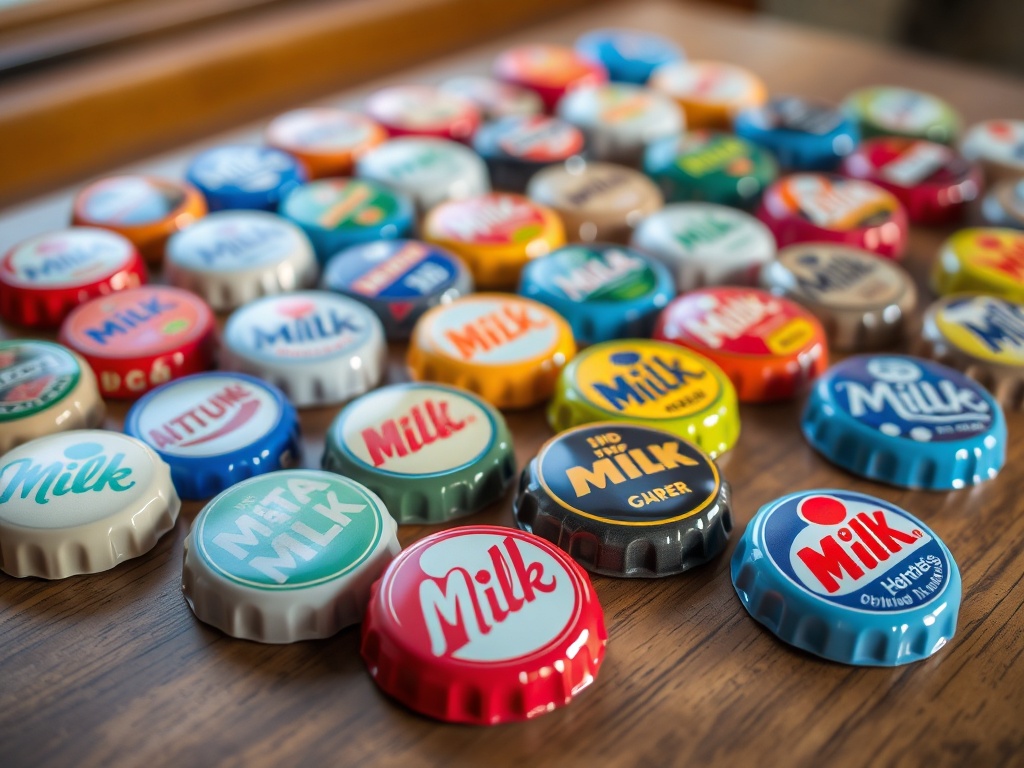
Milk caps were originally created as simple closures for milk bottles in the early 20th century. Over time, they evolved from utilitarian objects into collectors' items, especially with the rise of milk bottle companies and local dairies. Early milk caps were often adorned with logos, promotional messages, and even limited-edition designs, making them prized possessions among collectors.
How to Start Your Collection
Starting a milk cap collection may seem overwhelming, but it can also be incredibly rewarding. Here’s how you can get started:
- Research and Learn: Start by learning about the different types of milk caps, their origins, and notable manufacturers. There are a lot of books and online resources that can help you get acquainted with the world of milk cap collecting.
- Set Your Focus: Some collectors focus on caps from specific brands, while others collect based on design, color, or era. Decide on a theme or type of caps that interest you most.
- Visit Flea Markets, Estate Sales, and Antique Shops: These places often have vintage milk caps for sale. Keep your eyes peeled for rare finds, as you never know when a valuable piece will turn up.
- Network with Other Collectors: Join online forums or social media groups where milk cap enthusiasts share tips, trade, or sell caps.
Valuable Milk Caps: What to Look For
Not all milk caps are worth the same amount. Some are highly collectible and can fetch significant prices at auctions or specialty shops. Here’s a breakdown of what can make a milk cap valuable:
- Age: Older milk caps, particularly those from the early to mid-1900s, are typically more valuable.
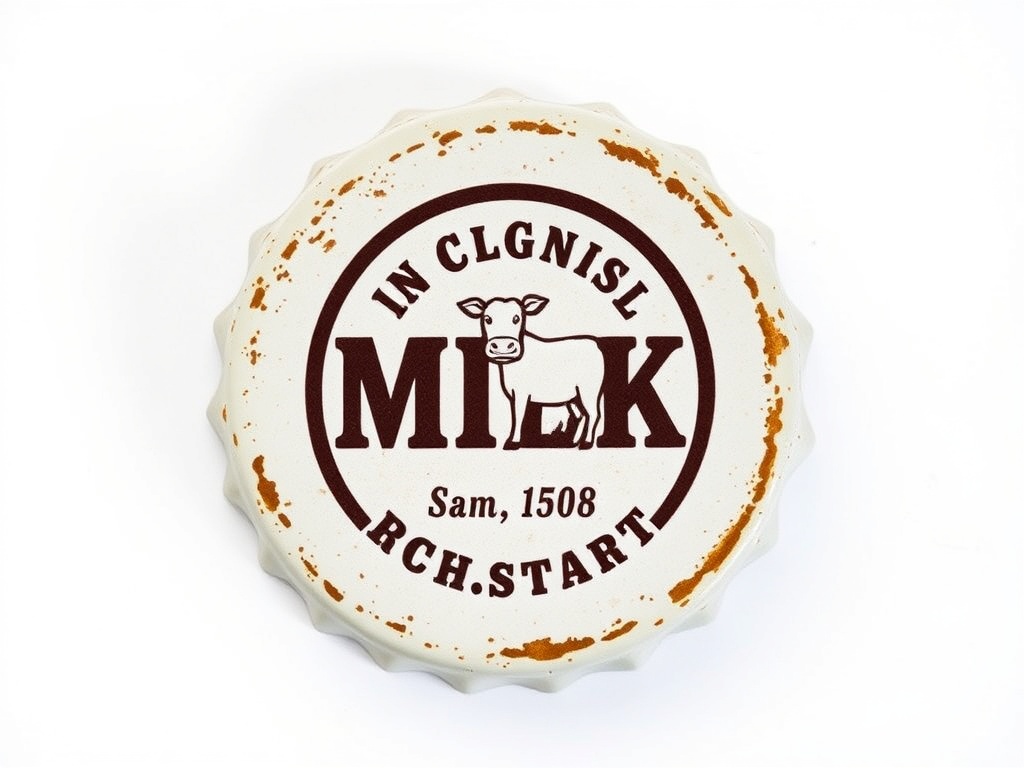
- Condition: Milk caps in pristine condition (without rust, fading, or cracks) are highly sought after.
- Brand and Manufacturer: Certain brands or manufacturers are known for creating highly collectible milk caps. Look out for dairy farms with a history of creating limited-edition caps.
- Rarity: Limited runs, unusual designs, and special promotional caps tend to be the most valuable.
Preserving and Displaying Your Collection
One of the key aspects of being a milk cap collector is ensuring that your collection remains in good condition. Here are some tips on preservation and display:
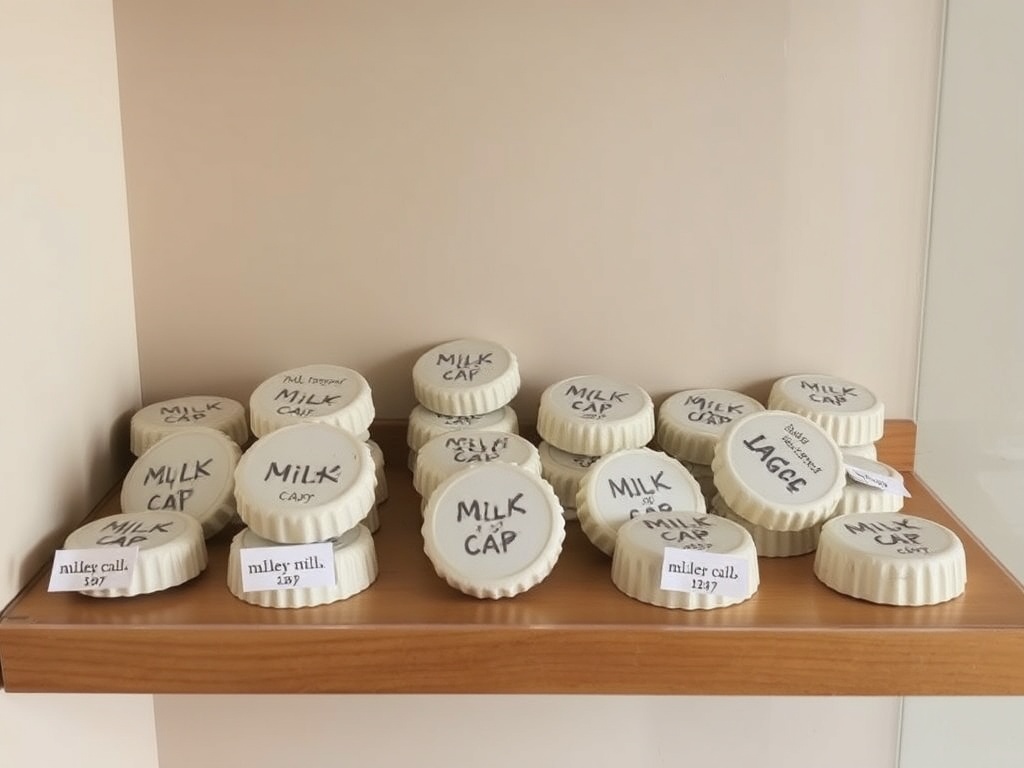
- Use Display Cases: To protect your caps from dust and physical damage, use display cases with clear acrylic covers.
- Store in a Cool, Dry Place: Keep your milk caps in a controlled environment away from direct sunlight and moisture to avoid warping or fading.
- Label Your Caps: For easy identification, consider labeling your milk caps with the year of production, manufacturer, and any other relevant details.
Final Thoughts
Collecting milk caps is not only a fun hobby but also a way to preserve a part of history. By following the tips and advice in this guide, you’ll be on your way to building an impressive collection in no time. Happy collecting!