
The Ultimate Guide to Buying Milk Caps: Expert Tips and Insights

Introduction to Milk Caps
Milk caps, a unique and fascinating collectible, have become a growing trend among collectors around the world. From vintage designs to modern releases, milk caps offer a rich history and a broad range of values. This guide will provide insights on how to navigate the milk cap market, what to look for when buying, and how to preserve your collection.
Understanding the Milk Cap Market
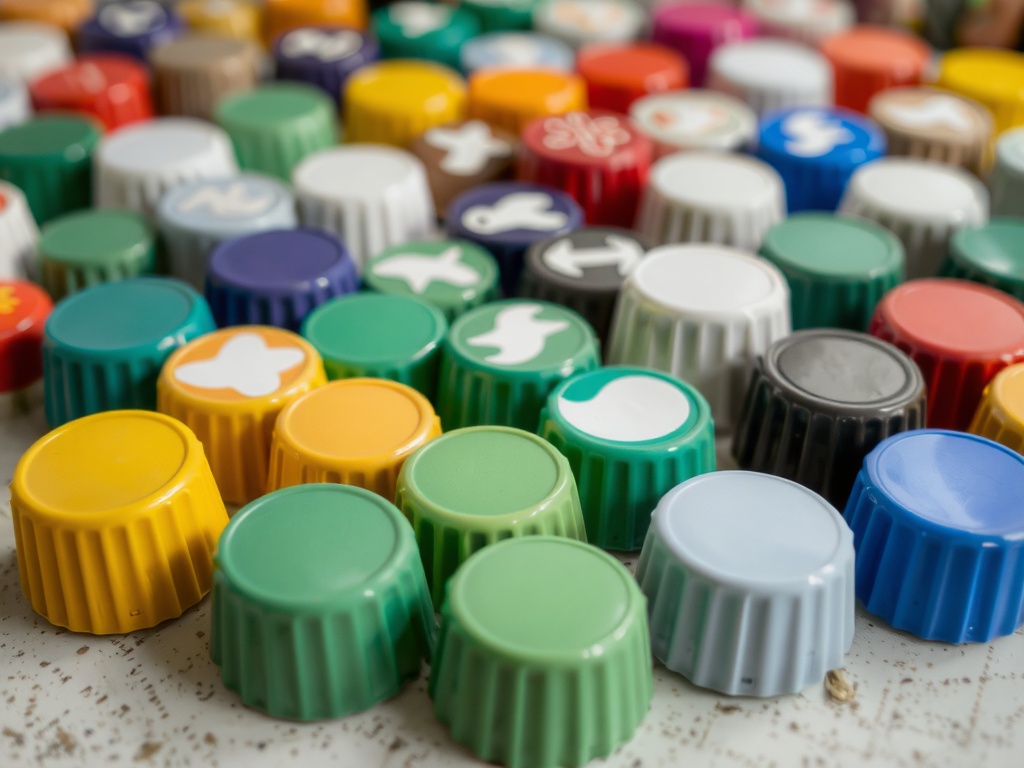
The milk cap market is varied and filled with hidden gems. Some milk caps are highly sought after, with prices reaching into the hundreds of dollars, while others are more affordable yet still hold sentimental value for collectors. Understanding the market is key to making informed purchasing decisions.
There are several factors that influence the value of a milk cap:
- Condition: Like any collectible, the condition of a milk cap plays a critical role in its value. Mint-condition milk caps can fetch high prices, while those with visible damage may be worth much less.
- Rarity: Milk caps that are limited-edition or from specific regions or brands tend to be more valuable.
- Design and Artwork: Unique designs or artwork on a milk cap can also influence its market value. Caps with artistic elements or famous branding are often more desirable.
Where to Buy Milk Caps
There are several places where collectors can find milk caps, ranging from online marketplaces to physical collector shops. Each platform has its pros and cons, so it's important to choose wisely depending on your needs.
- Online Marketplaces: Websites like eBay and Etsy are popular platforms where collectors can find a wide range of milk caps. These platforms often feature listings from various sellers, providing a broader selection but requiring careful attention to ensure authenticity.
- Specialty Shops: Some collectors prefer to visit brick-and-mortar stores that specialize in vintage collectibles, including milk caps. These shops often offer a curated selection and can provide expertise on the history and value of the items they sell.
- Collector Shows and Events: Attending collector shows or trade events can provide an opportunity to find rare milk caps and meet other collectors. These events are often rich in history and community and offer the chance to learn more about the hobby.
Preserving and Displaying Your Milk Cap Collection
Once you've started your milk cap collection, the next step is to ensure its longevity. Proper care and display are essential to maintaining the value of your milk caps over time.
- Storage: Milk caps should be stored in a cool, dry place away from direct sunlight to prevent fading. Use acid-free materials to keep your caps safe from damage.
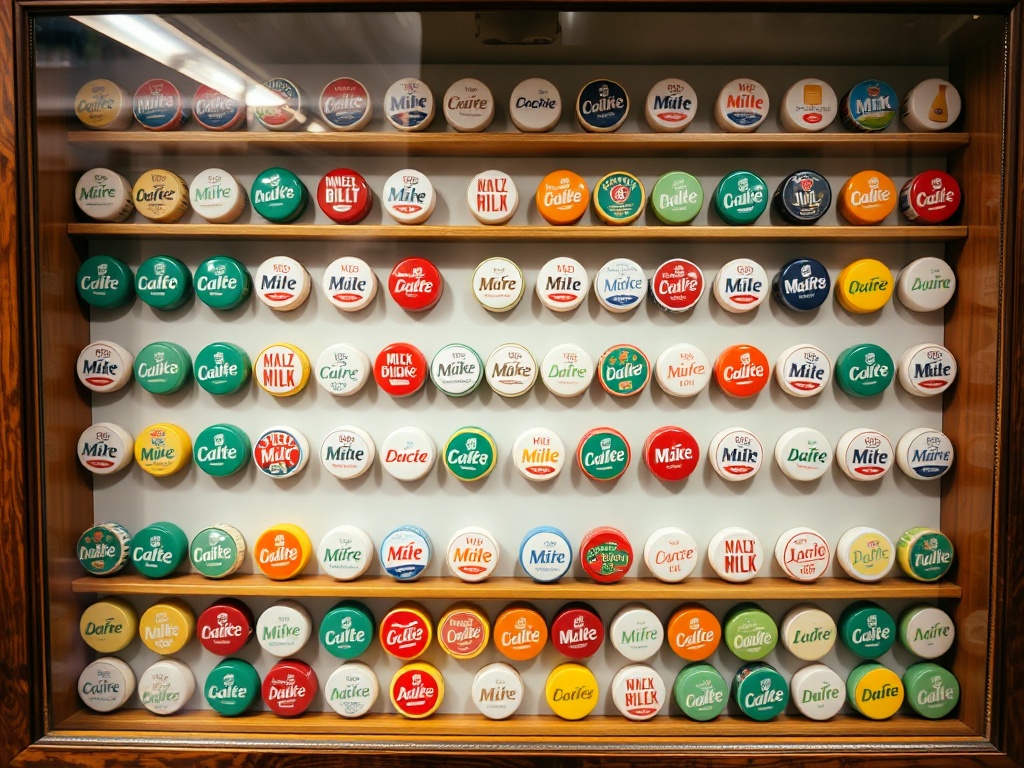
- Display: Displaying your milk caps can be a fun and rewarding way to showcase your collection. Use shadow boxes or display cases to protect your caps while showing them off. Make sure to use display methods that avoid contact with harsh chemicals or abrasive surfaces.
- Cleaning: If your milk caps need cleaning, use a soft cloth to gently wipe away dirt. Avoid using harsh chemicals or cleaning agents, as they can damage the caps.
Conclusion
Buying and collecting milk caps is an exciting hobby that combines history, art, and community. By understanding the market, carefully selecting pieces, and properly caring for your collection, you can enjoy this hobby for years to come. Whether you're a seasoned collector or just starting, this guide should provide valuable insights to help you make informed decisions about your milk cap collection.