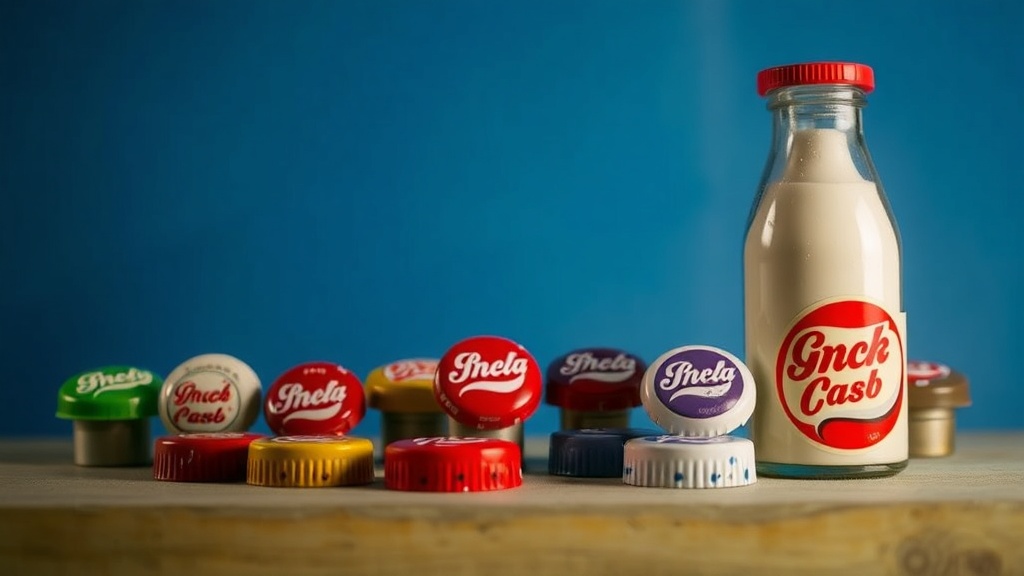
The Complete Guide to Collecting Vintage Milk Caps

This guide covers everything needed to start or expand a vintage milk cap collection—from identifying rare varieties and grading condition to finding trusted sources and proper storage methods. Whether digging through estate sale boxes or researching a specific dairy's history, the right knowledge saves money and prevents costly mistakes.
What Are Vintage Milk Caps Worth?
The short answer: anywhere from 25 cents to over $500 per cap. Value depends on rarity, condition, age, and the specific dairy represented. Common caps from major producers like Borden or Carnation typically sell for $1-5. Regional dairies that operated for only a few years command premium prices—especially those from the 1920s and 1930s.
Condition grading follows a standard scale accepted by collectors nationwide. Here's what you need to know:
| Grade | Description | Price Impact |
|---|---|---|
| Mint | No wear, crisp edges, vibrant colors | Full book value |
| Near Mint | Minor edge wear, slight fading | 70-80% of value |
| Excellent | Visible wear but complete design intact | 50-60% of value |
| Good | Heavy wear, possible staining or tears | 20-30% of value |
| Poor | Significant damage, partial design missing | 10% or less |
The catch? Grading is subjective. One dealer's "Excellent" might be another's "Good." Always examine photos carefully before buying online—or better yet, see items in person at shows. The Milk Caps Collectors Association provides detailed grading standards that serious collectors reference.
Provenance matters too. A cap from a defunct dairy with documented history (original packaging, dated photographs, newspaper mentions) often sells for double the price of loose, unattributed examples.
How Do You Identify Rare and Authentic Milk Caps?
Authentic vintage caps feature specific construction details that reproductions rarely replicate correctly. Original paper caps from the 1930s-1950s use distinct pulp compositions and printing techniques. The edges show characteristic compression marks from sealing machinery. Colors—particularly reds and blues—age in predictable ways.
Here's the thing about spotting fakes: they're more common than most newcomers realize. Reproductions flood online marketplaces. Some are obvious (glossy modern printing, wrong dimensions). Others require careful examination.
Key authentication checkpoints:
- Reverse side texture: Authentic caps have a rough, fibrous back from the pulp molding process. Modern reproductions often feel smooth or waxy.
- Color registration: Vintage printing frequently shows slight misalignment between color layers. Perfect registration often signals modern production.
- Edge pattern: The crimped or folded edge varies by era and manufacturer. Study reference materials to recognize period-correct construction.
- Dairy research: Verify the dairy actually existed during the claimed time period. County agricultural records and city directories help confirm legitimacy.
Worth noting: some "rare" caps aren't rare at all. Certain designs were mass-produced for specific promotional campaigns. The Smithsonian's collection of American dairy artifacts includes excellent examples of common versus genuinely scarce varieties.
Collectors specializing in specific regions develop deep knowledge of local dairies. A cap from Boise's defunct Maple Leaf Dairy (operated 1923-1947) might seem obscure. To Idaho collectors, it's gold.
Where Should You Buy Vintage Milk Caps?
The best sources depend on budget, experience level, and collecting goals. Each venue offers distinct advantages—and potential pitfalls.
Estate sales and auctions remain the holy grail for serious collectors. Complete collections surface when longtime enthusiasts pass away or downsize. These sales often include rare pieces never listed online. The downside? Competition is fierce, and condition assessment happens under pressure.
Specialized dealers provide expertise and guarantees. Established sellers like eBay's top-rated milk cap vendors (check feedback specifically for cap transactions) offer return policies and detailed descriptions. You'll pay retail prices—sometimes premium—but the risk of fakes drops significantly.
Collector shows and conventions happen annually in major cities. The National Milk Bottle Show (rotating locations) always includes cap dealers. Face-to-face transactions allow physical examination. Negotiation is expected. Bring a loupe and reference materials.
Online marketplaces offer selection but require caution. Facebook groups, eBay, and specialized forums like Bottles.com list thousands of caps. Photos can hide flaws. Request additional images showing edges and reverse sides before committing.
That said, avoid antique malls for serious collecting. Prices typically run 40-60% above market value. The occasional bargain appears—but rarely enough to justify regular visits.
Building Relationships with Sellers
Repeat customers get first look at new inventory. Dealers remember serious collectors and contact them privately before listing items publicly. Start small, pay promptly, and communicate clearly. Trust builds over years, not transactions.
Local dairy historians and museum curators sometimes sell duplicates from institutional collections. The Idaho State Historical Society occasionally deaccessions items—a legitimate source for regional pieces.
How Should You Store and Display Your Collection?
Proper storage prevents deterioration that destroys value. Paper caps are vulnerable to light, humidity, acids, and pests. A $500 cap becomes a $10 curiosity if stored incorrectly.
The golden rules:
- Archival materials only. Standard cardboard and PVC sleeves contain acids and plasticizers that damage paper over time. Use museum-grade polyester (Mylar) sleeves and acid-free boards.
- Climate control matters. Stable temperature between 65-70°F with 45-55% relative humidity prevents mold and brittleness. Avoid attics, basements, and exterior walls.
- Light exposure kills colors. UV rays fade printing rapidly. Display in dim areas using LED lighting (no UV output). Rotate displayed pieces every few months.
- Physical support prevents damage. Store caps flat—never rolled or folded. Weight from stacking causes compression damage. Use individual sleeves or rigid holders.
Display options range from simple binder albums to custom-framed arrangements. The Gaylord Archival catalog offers professional-grade supplies specifically sized for milk cap collections.
Here's the thing about insurance: standard homeowner's policies rarely cover collectibles adequately. Document the collection with photographs and appraisals. Specialized collectibles insurance (available through companies like Collectibles Insurance Services) provides proper coverage for theft, fire, and damage.
Organizing Your Collection
Organization methods vary by collecting focus. Geographic arrangement works well for regional specialists. Chronological ordering helps track design evolution. Some collectors organize by dairy name, others by cap type (advertising caps, dairy-specific caps, promotional issues).
Digital cataloging has become standard. Spreadsheets track purchase dates, prices, condition grades, and provenance. Mobile apps like Collectr and Numista (adapted for exonumia) help manage larger collections.
Understanding the Different Types of Milk Caps
Not all caps are created equal. The hobby encompasses several distinct categories, each with different rarity profiles and collector communities.
Advertising caps promoted products beyond milk—bakeries, ice cream parlors, local businesses. These crossover collectibles attract advertising memorabilia enthusiasts, driving prices higher than plain dairy caps.
Commemorative issues marked holidays, sports championships, or community events. Christmas-themed caps from the 1940s-1950s remain particularly popular. The 1952 Boise High School Championship cap (issued by local dairies) exemplifies the genre.
Political and social message caps appeared during wartime and election years. "Buy War Bonds" caps from World War II carry historical significance beyond collecting value.
Cardboard vs. metal: Early caps (pre-1930s) were often metal. Paper and cardboard dominated the 1930s-1960s. Plastic appeared in the 1970s. Metal caps command premiums due to age and survival rates—most were discarded or recycled.
Building Your Knowledge Base
Successful collecting requires continuous learning. Reference books form the foundation of serious collecting. The Milk Cap Collector's Guide by Harold Johnson (out of print but available used) remains the standard reference. Regional guides fill gaps—particularly valuable for specialized collections.
Online resources expand constantly. Facebook groups like "Milk Bottle & Cap Collectors" host knowledgeable members who answer identification questions. The Milk Caps Collectors Association publishes a quarterly newsletter with market reports and research articles.
Worth noting: condition assessment improves with handling experience. Examine as many authentic pieces as possible. Museum collections, dealer inventories, and fellow collectors' holdings provide comparison opportunities.
Local history research adds depth to regional collections. Newspaper archives (available through libraries' ProQuest subscriptions) reveal which dairies operated when, what promotions they ran, and sometimes specific cap issues. This context transforms a simple collectible into a documented historical artifact.
The community aspect shouldn't be underestimated. Veteran collectors share knowledge generously. Attend shows. Join organizations. Ask questions. The friendships formed often outlast specific collecting interests—and provide access to pieces never reaching public sale.
Start with what interests you, not what's "valuable." A focused collection of Boise-area dairy caps tells a more compelling story than scattered expensive pieces with no connection. Collecting should bring satisfaction. The hunt, the research, the occasional spectacular find—that's where the real value lies.