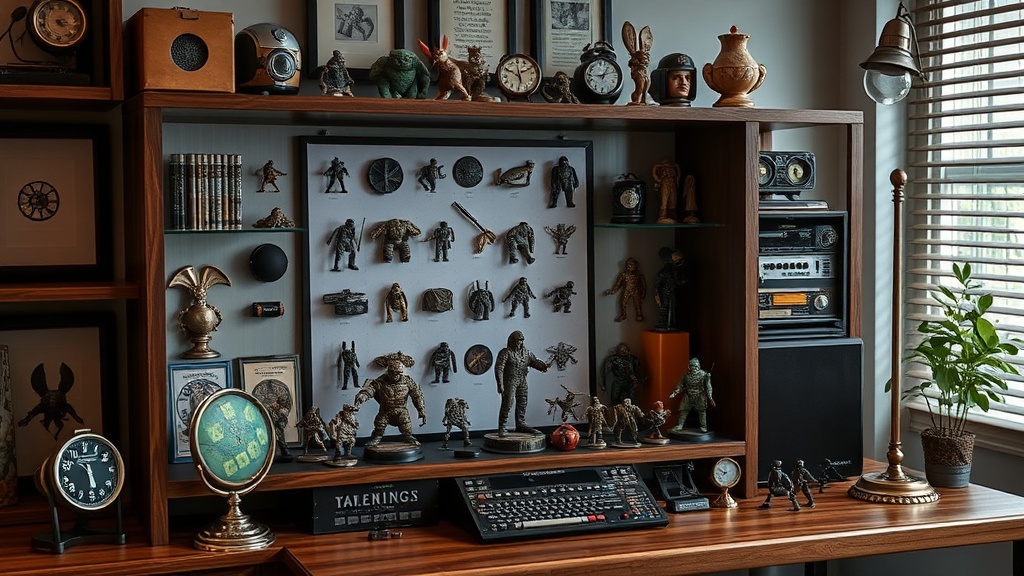
Setting Up a Professional Display for Small Collectibles

Preventing Damage While Showcasing Your Collection
Many collectors assume that simply putting an item on a shelf is enough to keep it safe. They think that if a piece is out of a box, it's effectively on display. However, the common misconception that "out of the box equals safe" can actually lead to rapid degradation. Whether you're dealing with vintage metal milk cap seals, fragile glass bottle stoppers, or small ceramic tokens, the environment they sit in matters more than the shelf itself. A display isn't just a place to show off your finds; it's a controlled environment designed to protect the physical integrity of your items.
When you're curating a collection of smalls—those tiny, often overlooked items that pack a punch—you have to account for dust, light, and vibration. If you don't, you're not just displaying a collection; you're watching it slowly decay. This guide covers the mechanics of setting up a display that balances aesthetics with long-term preservation.
How do I choose between acrylic or glass display cases?
This is one of the first questions I get asked by newer collectors. The choice between acrylic (often called Plexiglass) and glass is more than just a matter of looks. Acrylic is lightweight and shatterproof, which makes it great for high-traffic areas or if you have kids or pets around. It's also much easier to cut and shape if you want a custom-sized case for a specific set of bottle caps or small tokens. But there's a catch: acrylic can scratch easily and can sometimes off-gas chemicals if it's low quality, which might affect certain types of metal finishes.
Glass, on the other to hand, is the gold standard for clarity and stability. It doesn't scratch nearly as easily as acrylic and provides a much more premium feel. If you're displaying high-value vintage glass bottles or heavy metal seals, glass is the way to go. The weight of the glass provides a stable base that won't tip over. However, glass is heavy and fragile. If you're planning a massive wall-mounted display, you'll need to be sure your mounting hardware can handle the load. You can check the weight tolerances of various mounting systems via hardware retailers to ensure your setup is secure.
- Acrylic Pros: Lightweight, shatter-resistant, easier to ship.
- Acrylic Cons: Scratches easily, can cloud over time, potential chemical off-gassing.
- Glass Pros: Superior clarity, scratch-resistant, high stability.
- Glass Cons: Heavy, fragile, requires careful installation.
Where is the best place to put my display in a room?
Location is everything. You might have a beautiful corner in your living room that looks perfect, but if that corner is right next to a window, you've already lost the battle. Direct sunlight is the enemy of almost every collectible. UV rays cause pigments in printed milk caps to fade and can even cause certain types of vintage-style plastics to become brittle and crack. If you're displaying items with metallic finishes, sunlight can accelerate oxidation.
Avoid placing your displays near heat-emitting sources like radiators, fireplaces, or even large electronic setups. Rapid temperature fluctuations cause materials to expand and contract—a process that can lead to micro-cracks in glass or the warping of metal caps. If you're serious about your collection, you might want to monitor your room's ambient temperature and humidity levels. Tools from sites like Weather Underground can help you track local weather patterns to see if your home is experiencing extreme shifts that might affect your indoor environment.
The ideal spot is a "neutral zone"—an area with stable temperature, low humidity, and indirect or no light. If you must have a display in a bright room, ensure the case itself is UV-rated. Many high-end display cases use UV-filtering acrylic to provide an extra layer of defense.
What is the best way to arrange small items for visibility?
Arrangement is where the art meets the science of collecting. You want to create a sense of depth and hierarchy so the eye knows where to look. If you just line everything up in a single row, the collection can look flat and uninteresting. Instead, use tiered risers or varying heights to create a sense of movement.
For small items like bottle caps or small metal tokens, a tiered approach is highly effective. This allows the items in the back to be just as visible as those in the front. You can use clear acrylic steps to create these levels. This prevents the "crowding" effect where items in the front obscure those behind them. If you're working with items of different sizes, group them by theme or by size to create a cohesive visual flow. A group of small, identical-looking caps might look better in a tight, organized cluster, while larger, more unique bottles might need more "breathing room" to be appreciated.
Consider the "Rule of Three" or the "Rule of Odd Numbers" for your arrangements. Grouping items in sets of three, five, or seven often feels more natural and visually pleasing to the human eye than even numbers. It breaks up the monotony and makes the display feel organic rather than a rigid, sterile line.
When displaying items, keep these spacing tips in mind:
- Negative Space: Don't overstuff. Leave room around each piece so the eye can rest.
- Height Variation: Use risers to prevent a flat, boring look.
- Thematic Grouping: Group by era, color, or material to create a narrative.
- Visual Anchors: Use one larger or more striking piece to anchor the group.
Lastly, remember that the display is a tool for your collection, not a replacement for it. The goal is to highlight the unique character of each piece while keeping the environment as stable as possible. Whether you're using a shadow box for small tokens or a heavy glass cabinet for your best bottles, the care you take in the setup will determine the longevity of your collection.