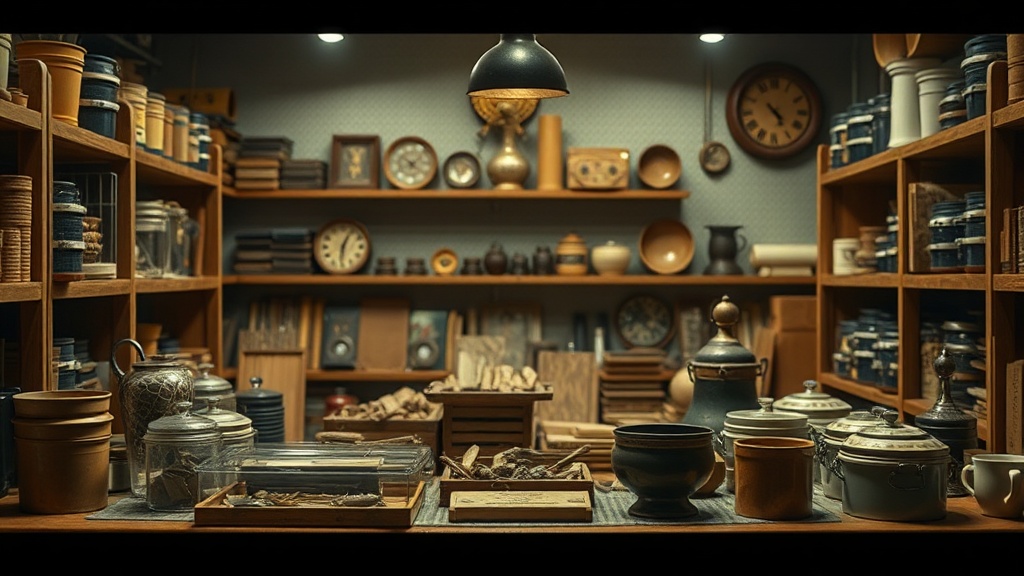
Organizing Small-Scale Collections by Material and Type

Imagine opening a storage bin only to find a tangled mess of metal bottle caps, paper-based milk caps, and small glass seals all mixed together. You reach for a specific 1950s tin seal, but instead, your fingers brush against a jagged piece of a broken glass stopper. This lack of order doesn't just make finding items difficult; it actually risks damaging your more fragile pieces. When collectors deal with varied materials—metal, paper, glass, and plastic—a unified storage approach isn't enough. You need a system that accounts for the physical properties of each item to prevent corrosion, breakage, or crushing.
Why should you group collectibles by material?
The primary reason to separate your collection by material is chemical and physical compatibility. Metal caps, especially those made of tin or aluminum, react differently to humidity than paper milk caps or heavy glass bottle seals. If you store a slightly oxidized metal cap directly against a pristine paper cap, the rust or metal dust can permanently stain the paper. This isn't just an aesthetic issue; it's a preservation issue. A single rusted edge can ruin the value of a high-grade paper item sitting right next to it.
Grouping by material also helps you tailor your environmental controls. Glass items are heavy and require sturdy, flat surfaces to prevent cracking under weight. Paper caps, on the other hand, are susceptible to moisture and light. By separating them, you can treat them with the specific care they require. For instance, you might keep your glass collection in a temperature-controlled area while keeping your paper-based milk caps in acid-free sleeves. This level of distinction ensures that one type of decay doesn't spread through your entire inventory.
How do I store metal caps to prevent oxidation?
Metal is perhaps the most temperamental material in the small-scale collector's world. Whether you're dealing with vintage tin or aluminum, oxygen and moisture are your biggest enemies. To keep your metal caps in top shape, avoid airtight plastic bins if you live in a high-humidity area like the Pacific Northwest. If moisture gets trapped in a sealed bin, it creates a micro-environment that accelerates rust. Instead, use breathable containers or include silica gel packets to manage the moisture levels.
When organizing metal, consider these steps:
- Use Dividers: Use adjustable dividers in wooden or heavy-duty plastic trays to keep different types of metal seals from clanking together.
- Avoid Direct Contact: If you have a metal cap with a painted surface, don't stack them directly on top of one another. The friction can cause scratches or "paint transfer" that lowers the grade.
- Check for Residue: Before storing any vintage metal cap, ensure it is completely dry and free of any old organic residue. Even a tiny bit of moisture can lead to rapid oxidation.
If you want to learn more about the chemical properties of metal aging, the Library of Congress offers extensive archives on industrial history and material standards that can provide context for why certain metals were used during specific eras.
Is there a way to organize paper milk caps without damage?
Paper-based items, such as vintage milk caps or POG-style tops, are incredibly vulnerable to both physical pressure and environmental changes. Unlike a metal cap that can handle a bit of weight, a paper cap can easily crease or lose its color if not handled properly. The biggest mistake collectors make is stacking them too high in a single box. The weight of the top fifty caps will inevitably crush the bottom ten, leading to permanent structural damage.
The best way to handle paper is through individual protection. Consider using acid-free sleeves or small glassine envelopes. This protects the surface from oils on your fingers and prevents color bleeding if the items are stored near each other. For a larger collection, a specialized photo album with clear, archival-quality sleeves is often better than a loose bin. This allows you to flip through your collection without actually touching the surface of the items frequently.
When looking at the history of how these items were manufactured, the Smithsonian Institution provides incredible resources on the evolution of packaging and the materials used in consumer goods. This context helps you understand why some paper items are more delicate than others based on the era of production.
Creating a Tiered Storage System
A successful collection shouldn't just be a pile of stuff; it should be a tiered system. I recommend starting with a heavy-duty base for your glass and metal items, then moving to lighter, more protected layers for your paper items. Below is a suggested breakdown for a professional-grade organization system:
| Material Type | Recommended Container | Primary Risk |
|---|---|---|
| Metal Caps | Divided Wooden Trays | Oxidation/Rust |
| Glass Seals | Padded Crates | Physical Breakage |
| Paper Caps | Acid-Free Sleeves | Creasing/Fading |
| Plastic/Poly | Breathable Bins | Heat Deformation |
By following this hierarchy, you ensure that the most fragile items aren't being crushed by the sturdiest ones. It also makes it much easier to perform a "spot check" on your collection. Instead of digging through a single large box, you can quickly scan your metal tray or your paper sleeves to see if any new issues have arisen. This systematic approach turns a hobby into a curated archive. It’s about more than just knowing what you have; it’s about knowing how to keep it exactly as you found it.