
Milk Caps Collecting in 2026: What’s Worth Buying, What to Skip, and How to Spot Real Value

There’s a moment every collector hits: you’re staring at a pile of caps—some glossy, some faded, some clearly older than they should be—and you realize you don’t actually know which ones matter. Not really. The milk caps niche has grown fast over the last few years, and with that growth comes noise: reproductions, hype pricing, and a steady stream of “rare” listings that aren’t rare at all.
This guide cuts through that. If you’re buying in 2026, here’s what actually deserves your money, what’s mostly hype, and how to make decisions you won’t regret a year from now.
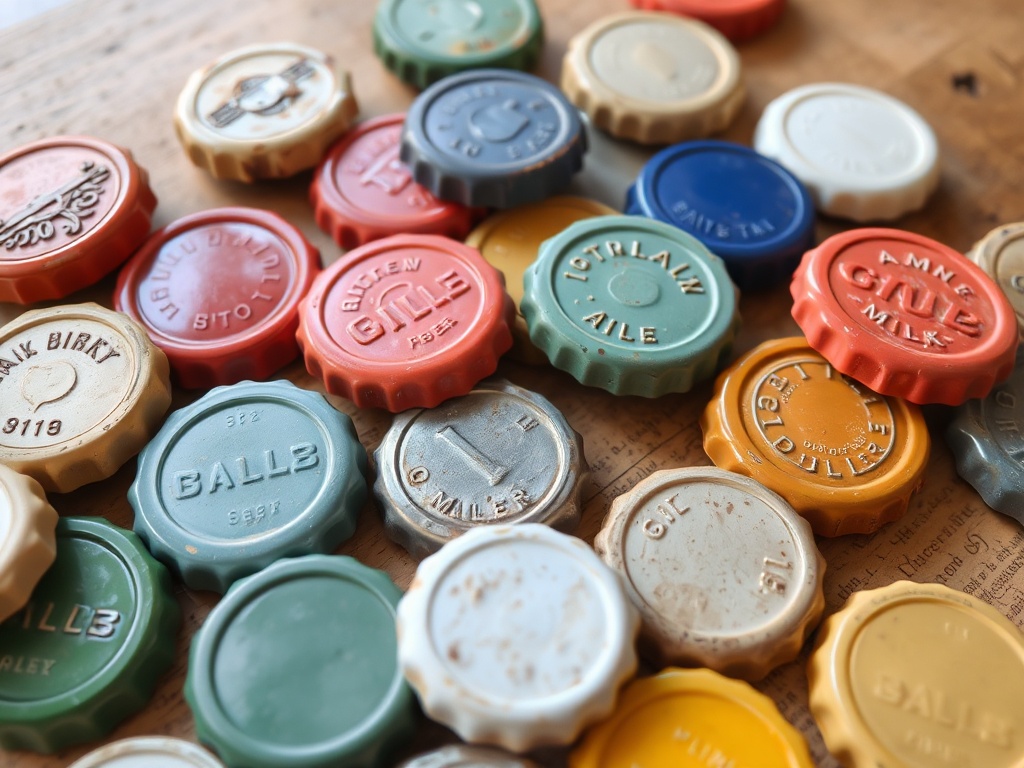
The Caps That Still Hold Real Value
Not all milk caps are equal—and the gap between true collectibles and filler stock is wider than most newcomers expect. The pieces that consistently hold value tend to share three traits: scarcity, provenance, and condition.
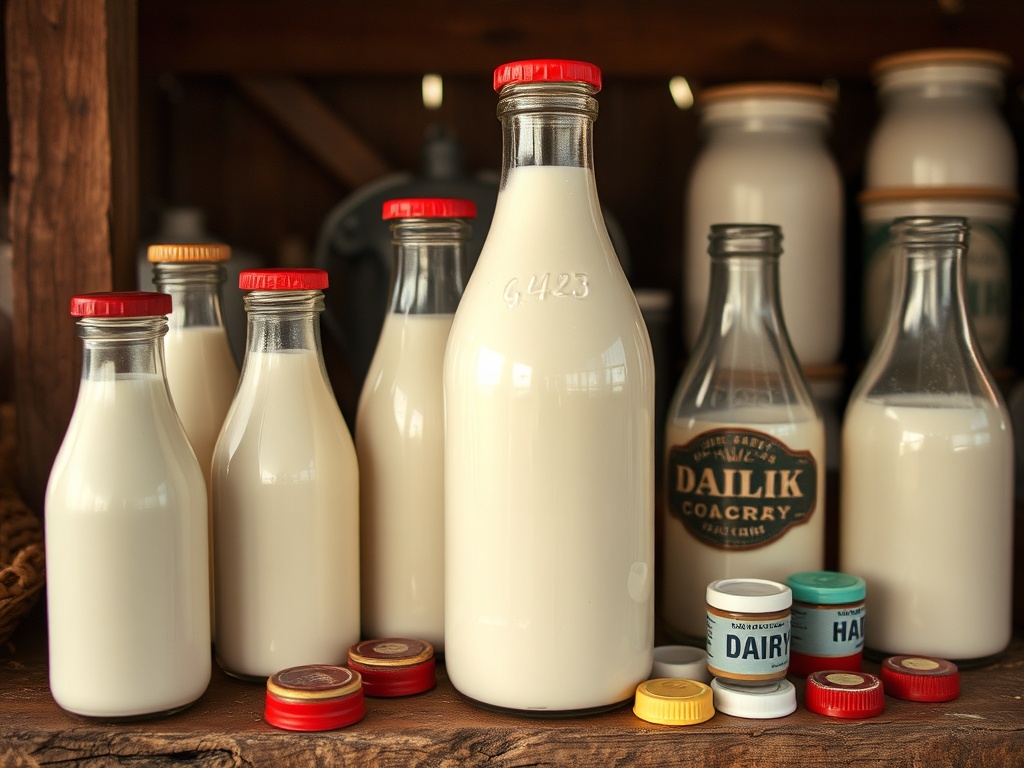
Pre-1960 regional dairy caps remain the backbone of serious collections. Small-run dairies, especially those that operated for less than a decade, produced limited batches with unique typography and printing quirks. These aren’t just caps; they’re snapshots of local industry.
Misprints and production anomalies are another reliable category. Off-center prints, color layering errors, or reversed logos—these aren’t defects to dismiss. They’re exactly the kind of one-off pieces advanced collectors chase.
Documented sets—especially those tied to known bottling lines—also hold steady. A complete run from a single dairy is often worth more than the sum of its individual caps.
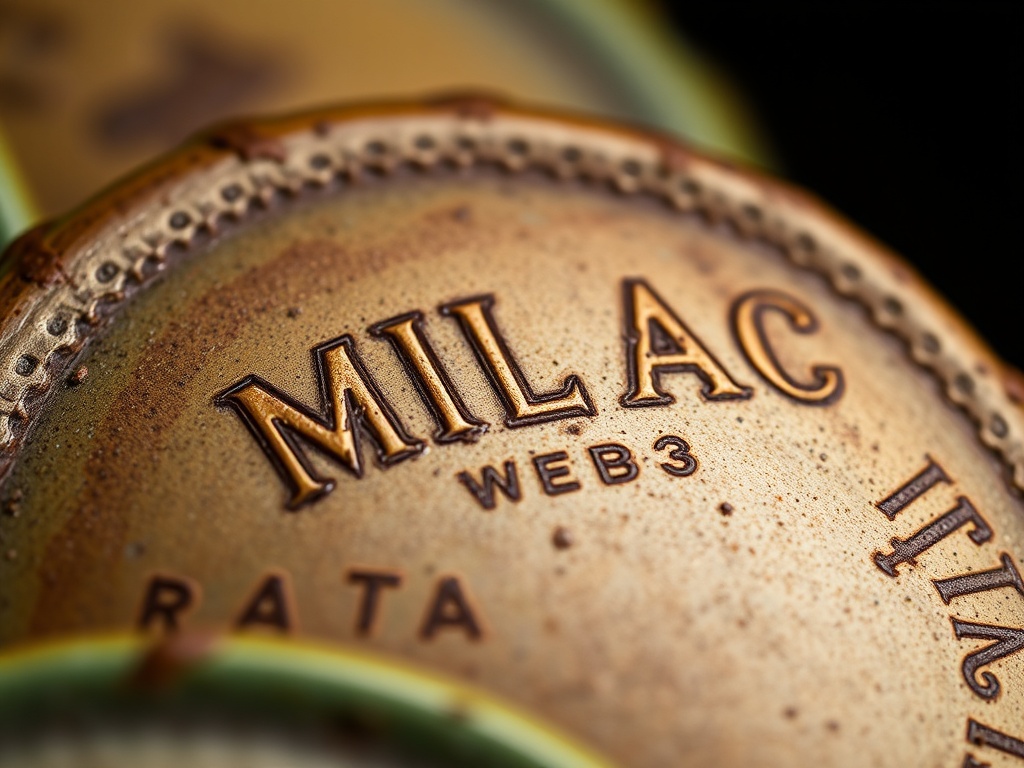
What’s Overhyped Right Now
If you’ve browsed online marketplaces recently, you’ve seen it: inflated prices on caps that look old but aren’t particularly scarce. The current wave of overhype tends to cluster around a few categories.
Mass-produced mid-century caps are the biggest offender. Yes, they’re vintage—but they were produced in huge quantities. Unless they’re in pristine condition or part of a complete set, they’re unlikely to appreciate meaningfully.
Artificially aged reproductions are getting better—and more common. Sellers distress newer caps to mimic age, then price them as originals. Without careful inspection, it’s easy to overpay.
“Mystery lots” are another trap. Bulk assortments can be fun, but they’re rarely where value hides. Most have already been picked clean.
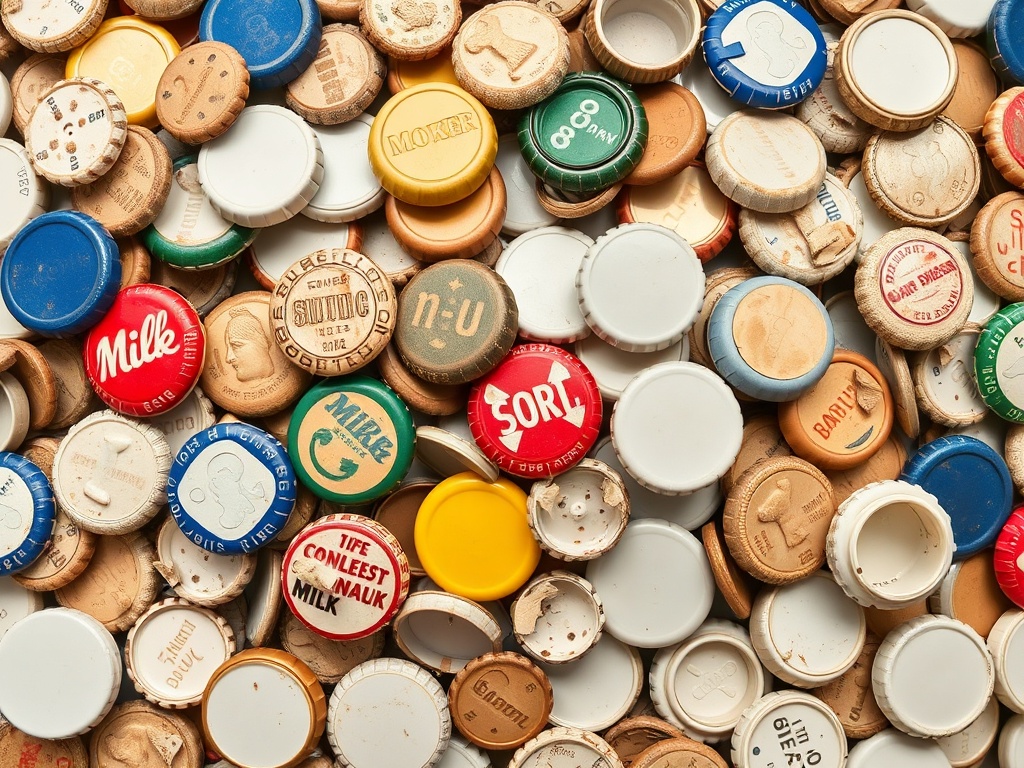
How to Read Condition Like a Collector
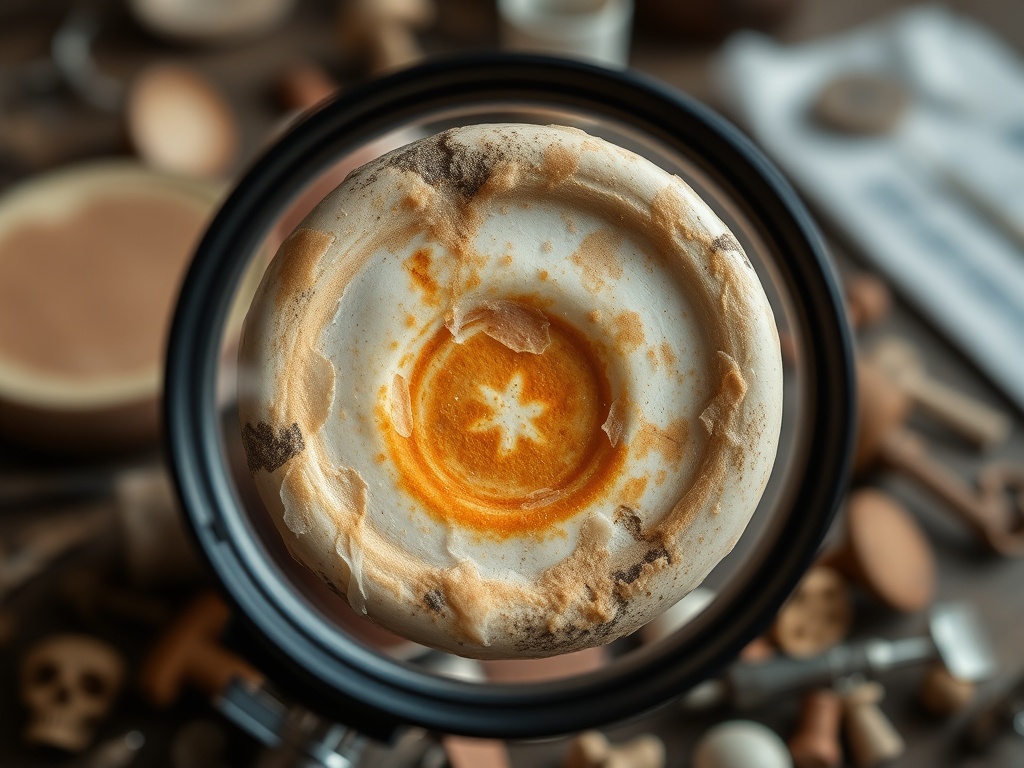
Condition isn’t just about how clean a cap looks. It’s about how intact its original structure and print remain. Serious buyers evaluate a few key details immediately.
- Edge integrity: Fraying or compression along the edges can indicate heavy use or poor storage.
- Print sharpness: Faded ink is expected with age, but blurred or smeared designs often signal water damage.
- Surface texture: Original paper stock has a distinct feel. Overly smooth surfaces can suggest reproduction.
- Color authenticity: Compare against known examples—some pigments age in predictable ways.
The difference between a $5 cap and a $50 cap often comes down to these details.
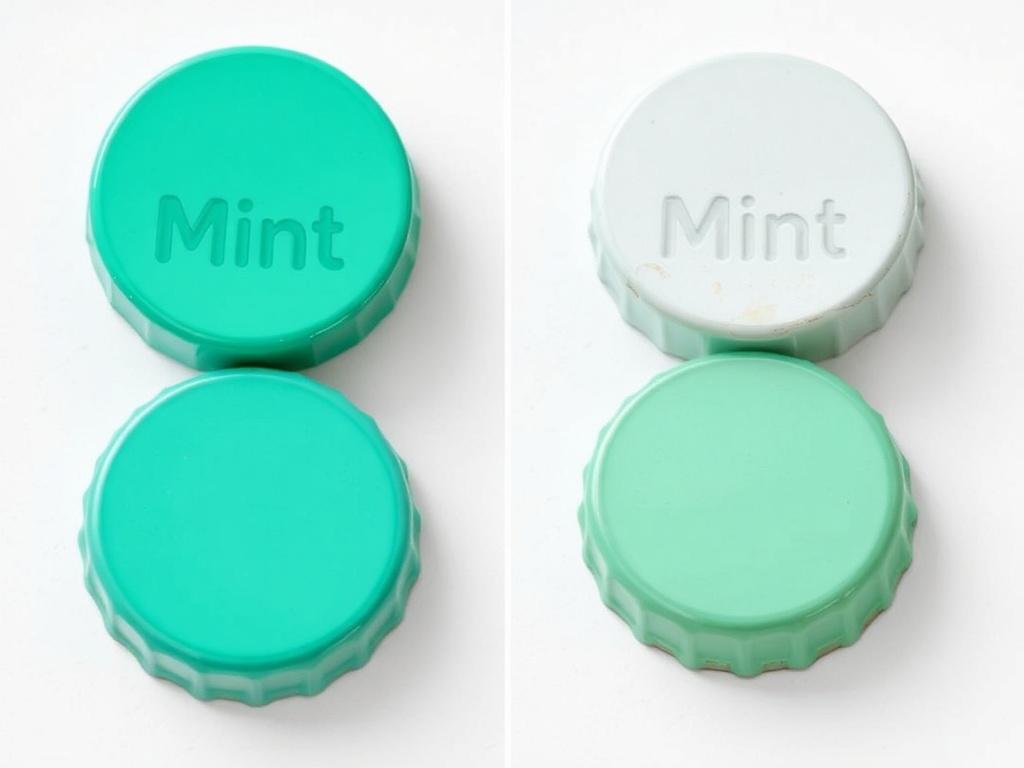
Where Smart Collectors Are Looking Now
The most interesting shift in 2026 isn’t what’s valuable—it’s where collectors are finding it. The obvious platforms are saturated. The real opportunities are in overlooked channels.
Estate sales and local auctions are back in a big way. Collections built decades ago are resurfacing, often without modern pricing expectations.
Regional collector swaps are another underrated source. You’re more likely to find fair trades than inflated listings.
Direct-from-family acquisitions—tracking down former dairy owners or employees—can yield pieces that never entered the secondary market.
This is slower work than scrolling listings, but it’s where the best finds still happen.
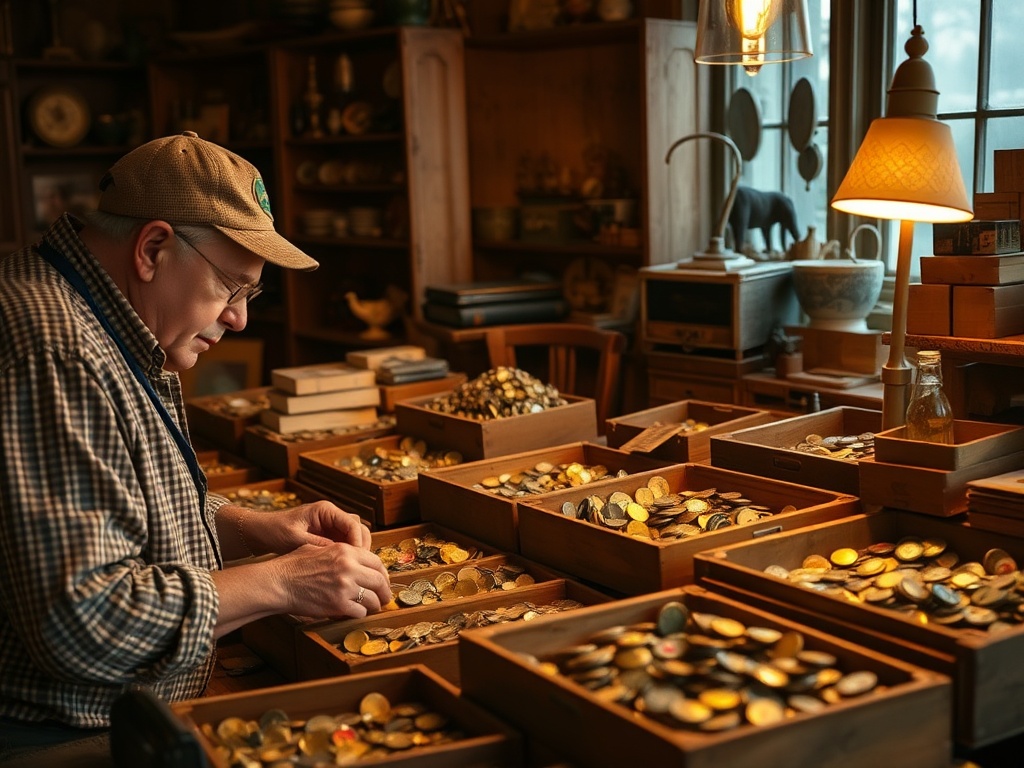
Building a Collection That Ages Well
There’s a difference between collecting and accumulating. A strong collection tells a story—it has focus, coherence, and intent.
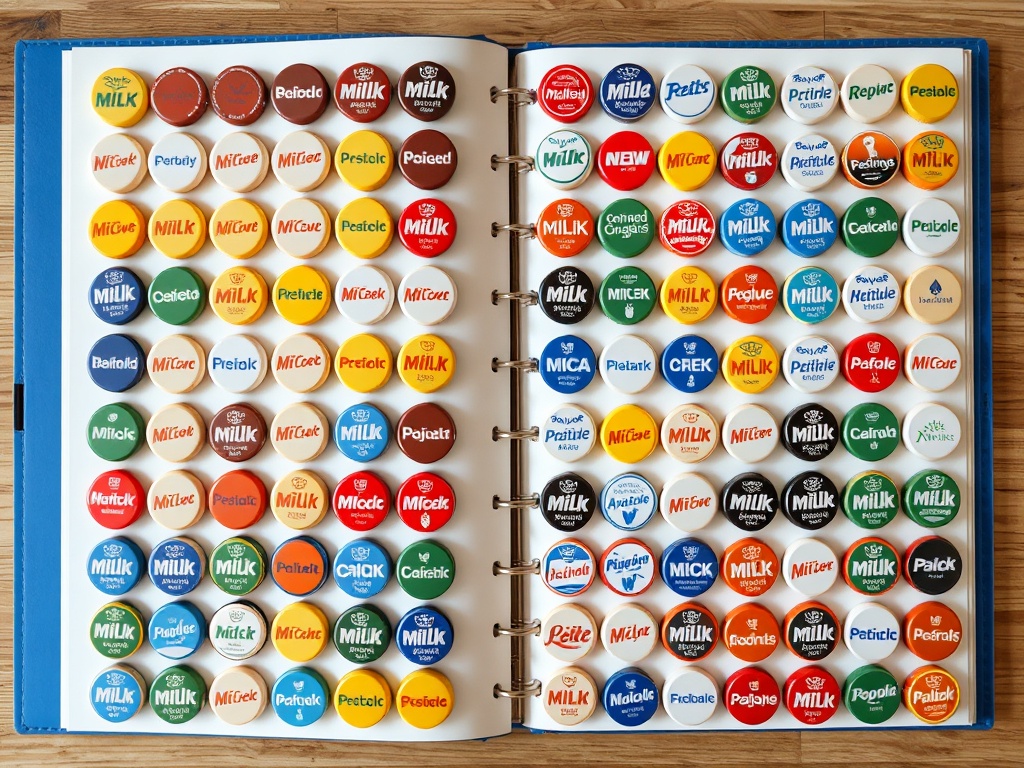
Start by narrowing your scope. That might mean focusing on a specific region, decade, or dairy brand. Depth beats breadth every time.
Document everything. Provenance adds value, even if it’s just notes about where and when you acquired a piece.
And most importantly: buy fewer, better items. It’s tempting to fill gaps quickly, but patience is what separates lasting collections from clutter.
Red Flags You Should Never Ignore
Even experienced collectors get burned occasionally. The difference is they recognize warning signs early.
- Too-perfect condition at a low price — usually a reproduction.
- Vague seller descriptions — often hiding uncertainty or misrepresentation.
- Inconsistent wear patterns — artificial aging rarely looks uniform.
- No provenance on “rare” claims — rarity should be verifiable.
If something feels off, it usually is. Walk away.
The Market Outlook: What Changes Next
The milk caps market isn’t exploding—but it is maturing. Prices for top-tier pieces are stabilizing, while lower-tier material is flattening or declining.
That’s a healthy shift. It rewards knowledge over impulse buying.
Expect continued interest in:
- Hyper-local dairy history
- Documented production runs
- Caps with unique visual identity
And expect the gap between informed collectors and casual buyers to widen.
Final Take
If you remember one thing, make it this: value in milk caps isn’t about age alone. It’s about story, scarcity, and condition working together.
The collectors who win long-term aren’t the ones buying the most—they’re the ones buying with intent.
Slow down, learn the details, and let your collection evolve deliberately. That’s how you end up with something worth keeping—and worth passing on.