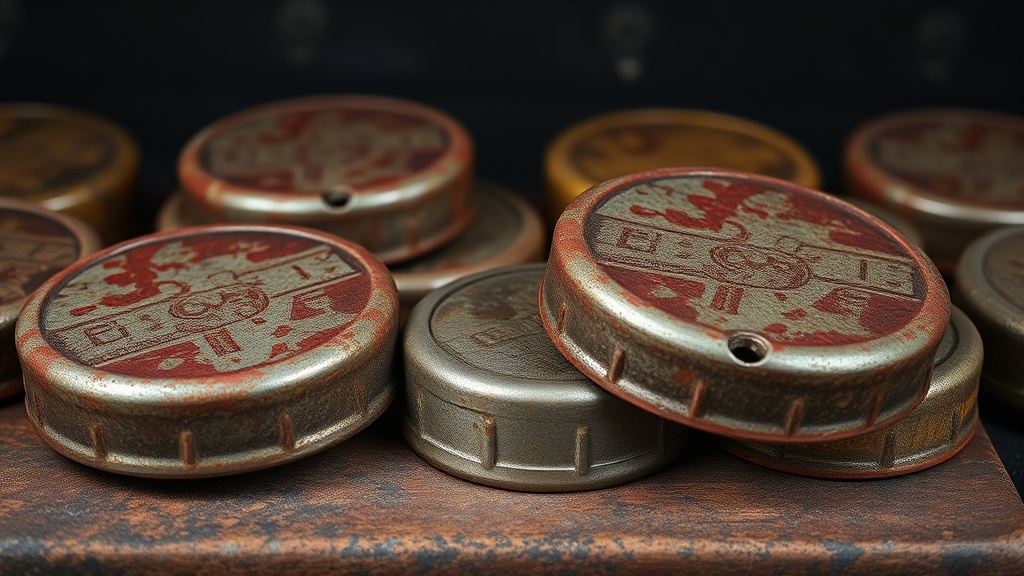
Keeping Your Vintage Metal Caps Rust Free

A single drop of moisture left on a tin cap can trigger oxidation in less than 24 hours. For collectors of vintage metal bottle caps, milk bottle tops, and metal tokens, rust isn't just an eyesore—it's a value killer. This guide covers the specific methods for preventing, cleaning, and treating oxidation on metal collectibles to ensure your inventory stays grade-worthy.
Why does metal rust on vintage caps?
Rust occurs when iron or steel components in metal caps react with oxygen and moisture through a chemical process called oxidation. Most vintage metal caps—especially those from the early 20th century—contain a steel core that is often coated in a thin layer of tin or lacquer. When that barrier fails, the metal underneath begins to corrode.
Humidity is the biggest enemy here. If you live in a place like Boise, you might think the dry air protects you, but even small shifts in micro-climates within a storage bin can cause damage. It's not just about water; even high levels of humidity in the air can be enough to start the decay process. If you're storing metal caps in a basement or a garage, you're essentially inviting rust to the party.
The chemical composition of the metal also matters. While pure tin is relatively stable, many vintage "tin" caps are actually tin-plated steel. That steel core is highly susceptible to rust if the plating is scratched or worn away. This is why even a tiny scratch from a display case or a clumsy hand can lead to a ruined piece over time.
To understand the science better, you can look at the chemical process of oxidation on Wikipedia to see how metal interacts with its environment. Understanding the science helps you realize that prevention is much easier than a cure.
How do I remove rust from metal collectibles?
The safest way to remove light rust is by using a non-abrasive chemical soak or a mild acid, such as white vinegar or lemon juice. You should always test a small, inconspicuous area first to ensure the solution doesn't strip the original paint or lacquer from the cap.
Depending on the severity of the rust, you'll need different tools. I've found that a "gentle" approach works best for high-value items. If you scrub too hard, you'll lose the very thing that makes the piece valuable: its original finish.
- Light Surface Rust: Use a soft toothbrush dipped in a mixture of baking soda and water. Scrub gently in a circular motion.
- Moderate Rust: Soak the item in white vinegar for 15–30 minutes. The acid breaks down the iron oxide.
- Deep Pitting: This is a tougher situation. You might need a specialized product like Evapo-Rust, which is a non-toxic chelating agent designed to remove rust without harming the base metal.
A word of caution: avoid using heavy-duty sandpaper or steel wool on vintage metal caps. While it might get the rust off, it will leave permanent micro-scratches that will lower the grade of your collectible. It's better to have a little bit of rust than a ruined, scratched surface. (I've learned this the hard way through a few ruined 1950s soda caps, trust me.)
Comparison of Cleaning Methods
| Method | Best For | Risk Level | Pros/Cons |
|---|---|---|---|
| Baking Soda Paste | Light surface rust | Low | Very safe, but takes longer. |
| White Vinegar | Moderate oxidation | Medium | Effective, but can dull paint. |
| Evapo-Rust | Deep/Stubborn rust | Low/Medium | Highly effective; safe for most metals. |
| Steel Wool | Modern/Non-valuable | High | Fast, but destroys collectible value. |
How can I prevent rust on my collection?
The most effective way to prevent rust is to control the environment by using silica gel packets and airtight storage containers. By managing the humidity and oxygen levels, you stop the oxidation process before it starts.
If you're a serious collector, you shouldn't just throw your caps in a cardboard box. Cardboard actually holds moisture and can be a breeding ground for humidity-related issues. Instead, use high-quality, archival-safe plastic-sealed containers. This creates a micro-environment that stays stable regardless of the weather outside.
Here are the three pillars of prevention:
- Humidity Control: Keep your collection in a climate-controlled room. If you use a display case, add a small container of silica gel.
- Physical Protection: Store caps in individual sleeves or "flips" to prevent metal-on-metal contact. This prevents the scratches that lead to rust-prone areas.
- Regular Inspection: Once a month, take a quick look through your display. If you see a tiny speck of orange, act immediately.
For more information on maintaining high-quality metal surfaces, the National Institute of Standards and Technology (NIST) provides extensive research on material science and how different environments affect metal longevity. It's a deep dive, but the science is solid.
One thing I always recommend is the "dry touch" rule. Never touch your metal caps with bare hands. The oils and salts from your skin are surprisingly corrosive. If you touch a vintage cap, you're leaving behind a chemical fingerprint that can lead to rust spots later. Use lint-free cotton gloves or even just a clean microfiber cloth.
It's also worth noting that certain types of coatings can be a lifesaver. Some collectors use a thin layer of microcrystalline wax, like Renaissance Wax, to create a barrier between the metal and the air. This isn't a permanent fix, but it works wonders for items that are on display. Just be sure to research how the wax might affect the long-term value of your specific type of collectible before applying it.
If you're worried about your storage method, check your local humidity levels. If your home's humidity is consistently above 50%, you're in the danger zone. A small dehumidifier in your office or storage room is a worthy investment for any serious collector.
Maintaining a collection is a balancing act. You want to keep it clean, but you don't want to over-clean it. A bit of "patina" is often part of the charm and value of a vintage item, but "rust" is a different story entirely. Always prioritize the integrity of the original surface over a shiny, brand-new look. If you're ever unsure, it's better to leave the item alone and consult a professional conservator.
Keep an eye on your inventory. If you notice any discoloration, don't wait. A little bit of maintenance now saves a lot of heartache—and money—later.
Steps
- 1
Identify the Type of Metal
- 2
Gentle Surface Cleaning
- 3
Applying a Protective Barrier