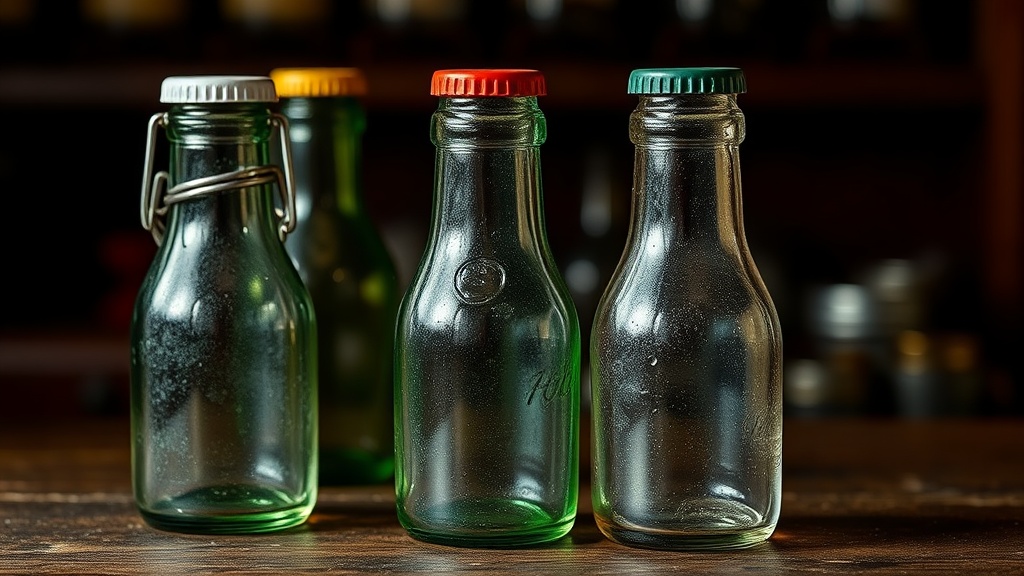
Identifying Authentic Mid-Century Glass Bottle Seals and Metal Caps

The Hidden Details of Vintage Seal Identification
Did you know that a single millimeter of difference in the crimp of a metal cap can be the difference between a common find and a museum-quality rarity? For collectors of small-scale vintage-ware, the ability to distinguish between a standard production piece and a specialized seal is a skill that takes years to hone. This guide covers the physical markers of mid-century bottle seals, the material composition of various metal caps, and how to spot the subtle indicators of authenticity that many casual sellers overlook.
When you're looking at a collection of vintage milk caps or glass-topped bottles, you aren't just looking at a lid; you're looking at a snapshot of manufacturing history. The transition from heavy-duty metal-topped glass bottles to the more lightweight aluminum and plastic caps of the later 20th century changed the way these items were constructed. Understanding these shifts helps you avoid overpaying for common items and helps you recognize when a piece is truly special.
What Marks an Authentic Mid-Century Metal Cap?
Authenticity often hides in the weight and the texture of the material. Mid-century metal caps—specifically those used for milk bottles or glass soda bottles—often feature a heavier gauge of metal than what we see in modern reproductions. If a cap feels unnaturally light or thin, it's a red flag. One of the most reliable ways to check authenticity is to look for the presence of a "crimp" or a specific edge-roll pattern. Authentic vintage pieces often have slight irregularities in the crimping process—small imperfections that tell a story of manual or semi-automated assembly.
Common signs of authenticity include:
- Consistent Oxidation: Natural aging often results in a dull, matte finish rather than a shiny, polished look.
- Stampings: Many authentic caps feature embossed manufacturer codes or brand names that align with the era of the bottle itself.
- Material Density: A genuine vintage tin or steel cap will have a certain heft that modern thin-gauge aluminum lacks.
If you find a cap that looks too perfect—perhaps it's too shiny or the edges are too sharp—it might be a modern reproduction or a replacement. Collectors often use the Library of Congress archives to research historical branding and manufacturer marks to verify these details. A quick search through historical catalogs can confirm if a specific brand even used that style of seal during the period in question.
Why Does Material Composition Matter for Collectors?
The material of a cap dictates how it ages and how much it's worth. For instance, tin-plated steel was a standard for decades, but it reacts very differently to moisture than aluminum does. If you are seeing a reddish or dark brown oxidation, you are likely looking at a steel-based component. Aluminum, on the other hand, tends to develop a white, powdery oxidation if left untreated. Knowing these chemical responses helps you understand if a piece has been kept in a controlled environment or if it has suffered from poor storage.
Collectors often use resources like the Smithsonian Institution to research the history of industrial materials and how they were applied to consumer goods. For example, the shift from heavy steel to lightweight aluminum in the 1960s was a major industrial milestone. If you see an aluminum cap on a bottle that claims to be from the 1920s, you have found a chronological error. These discrepancies are the bread and butter of professional-level collecting.
Is There a Difference Between a Seal and a Cap?
In the world of specialized smalls, the terminology matters. A "seal" typically refers to the part that creates the airtight or watertight connection—often a piece of wax, a lead foil, or a specific metal ring. A "cap" is the external lid that provides the closure. Many vintage milk caps involve both: a glass or ceramic bottle, a specialized seal (like a wax coating or a metal foil), and an external cap to secure it. When you're evaluating a piece, look at how many layers are involved. A high-quality vintage piece will often have a multi-step sealing process that modern versions simply don't bother with.
When evaluating the value of these items, consider the following table of common material-era pairings:
| Era | Common Material | Typical Seal Style |
|---|---|---|
| Early 1900s | Heavy Tin/Steel | Wax or Lead Foil |
| Mid-Century (1940s-50s) | Steel/Aluminum | Crimp-edge Metal |
| Late 20th Century | Lightweight Aluminum | Twist-off or Plastic |
The presence of a specific seal type can significantly change the way you display the item. For example, a wax-sealed bottle requires much more care than a standard metal-capped bottle. If the wax is cracked or brittle, the seal is technically broken, which affects both the historical integrity and the visual appeal of the piece. Always check the integrity of the seal before adding a piece to your permanent collection.
One often overlooked aspect of collecting these small items is the weight of the metal used in the manufacturing process. If you're unsure about a piece, try weighing it against a known sample. A genuine vintage steel cap will almost always weigh more than its modern aluminum counterparts. This weight-based verification is a quick way to gain confidence in your finds during flea markets or estate sales.