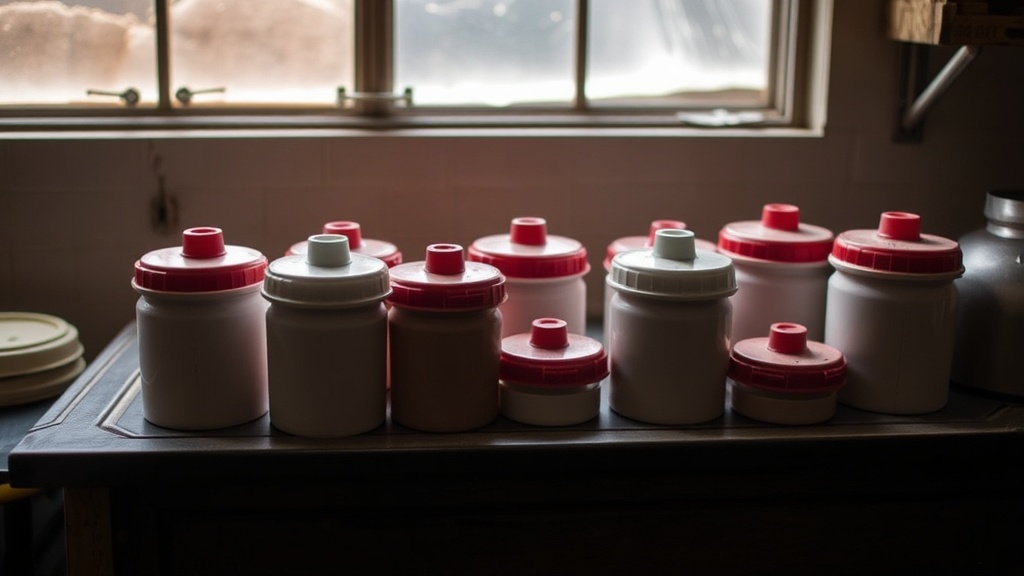
How to Clean and Preserve Vintage Milk Caps: A Step-by-Step Guide

What's the safest way to clean old milk caps without damaging them?
The safest method involves dry brushing first, followed by gentle surface cleaning with distilled water—never soaking or scrubbing printed areas. Vintage milk caps (also called milk bottle caps or dairy caps) carry decades of history on thin paperboard or metal. One wrong move and that colorful 1950s graphic disappears forever.
Start with a soft-bristled hobby brush—the kind sold at Michaels in the model train section works well. You'll want natural bristles, not plastic, since synthetic fibers can carry static that lifts delicate ink. Hold the cap by its edges and brush outward from the center. Don't press hard. Loose dirt and dust should lift away without water.
Here's the thing: most caps don't need wet cleaning at all. That said, when a cap arrives sticky or has obvious grime, distilled water becomes your friend. Tap water contains minerals that leave white residue on vintage paper. Dip a cotton swab (Q-tips work fine) into distilled water, wring it nearly dry, and dab—don't rub—the affected spot. Work in tiny circles no larger than a pencil eraser.
The catch? Some caps have water-soluble inks. Test an inconspicuous edge first. If color transfers to your swab, stop immediately. For these caps, dry cleaning is the only safe option. Products like Groom/Stick (a natural rubber eraser compound available from University Products) pick up surface oils without liquid. Knead a small piece until soft, press it gently against the soiled area, and lift. Repeat until clean.
Avoid the temptation to use dish soap, alcohol, or magic erasers. These strip sizing from paperboard and cause brittleness. That "whiter" cap you're chasing becomes a cracked shell within months. Patience wins here. Slow, careful cleaning preserves value. Aggressive shortcuts destroy it.
How should vintage milk caps be stored to prevent deterioration?
Store them flat in acid-free polyethylene sleeves inside archival boxes, kept in cool (65-70°F), dry (30-50% relative humidity) conditions away from direct light. Heat, moisture, and UV radiation are the three killers of paper collectibles. Your basement? Probably too damp. That sunny display case? A fading trap.
Vertical storage—standing caps on edge—causes warping over time. The paperboard relaxes into a curve, and once bent, vintage caps rarely flatten completely without damage. Horizontal storage distributes weight evenly. Use archival-quality boxes designed for photographs or documents. Gaylord Archival sells museum-grade containers that fit standard cap dimensions (approximately 1.5 inches diameter for most American dairy caps).
Worth noting: not all "archival" products are equal. Look for polyethylene, polypropylene, or polyester (Mylar) sleeves. Avoid PVC—those cheap vinyl sheets found at dollar stores. PVC releases hydrochloric acid as it degrades, yellowing caps and making them brittle. The smell test helps. If a plastic sleeve smells like a new shower curtain, it's probably PVC. Good archival materials are odorless.
Individual sleeves prevent caps from rubbing against each other. Color transfer happens. That bright red cap from a 1960s New York dairy can leave pink stains on a neighbor. Sleeve them separately. For caps with significant value (rare designs, early 1900s pieces), consider rigid Mylar holders—the same style used for coin collections. They cost more but eliminate bending risks entirely.
Climate control matters more than fancy boxes. Idaho's dry climate (Boise averages 30% humidity) actually suits paper preservation well. Coastal collectors face bigger challenges. If you live in humid regions, silica gel packets in storage boxes help. Replace them every six months—or recharge them in a low oven. Don't let caps touch the gel directly; condensation happens.
What supplies do you need for preserving milk bottle caps?
Basic preservation requires five core items: acid-free storage boxes, polyethylene sleeves, soft brushes, cotton swabs, and a hygrometer to monitor humidity. The total investment runs under $75 for a collection of 500+ caps. Quality supplies pay for themselves by preventing damage that would cost far more to fix—or make the cap worthless.
| Supply | Purpose | Recommended Product | Approximate Cost |
|---|---|---|---|
| Storage Box | Protects from light, dust, and physical damage | Gaylord Archival Print Storage Box | $18-25 |
| Sleeves | Prevents rubbing and acid transfer | ClearFile Polypropylene Photo Sleeves | $12/100 |
| Rigid Holders | Maximum protection for rare pieces | BCW 2x2 Coin Snap Holders (modified) | $15/25 |
| Brush | Dry cleaning surface debris | Winsor & Newton Series 7 Kolinsky | $15-20 |
| Humidity Monitor | Tracks storage environment | AcuRite 00613 Digital Hygrometer | $10-15 |
For serious collectors, additional tools prove useful. A 10x loupe (Bausch & Lomb makes solid entry-level models at $12) reveals damage invisible to naked eyes—tiny foxing spots, hairline cracks in coatings, evidence of previous restoration. Spotting these early means addressing problems before they spread.
Documentation supplies round out the kit. Archival-quality pens (Sakura Pigma Micron, acid-free ink) for labeling acid-free divider cards. Never write directly on cap sleeves—the pressure transfers impressions. Instead, create inventory cards that slide into the box alongside caps. Record dairy name, date range, condition, acquisition source, and price paid. This provenance matters if you ever sell or donate the collection.
That said, don't overthink the gear. A $5 box from any office supply store beats no box. Upgrade supplies as the collection grows. The goal isn't perfection on day one—it's avoiding obvious mistakes (rubber bands, sunlight, damp basements) that destroy pieces regardless of their monetary value.
Handling Tips for Long-Term Preservation
Wash hands before touching caps. Natural oils transfer even through thin cotton gloves (which some purists insist on). Clean, dry bare fingers handle paper better than sweaty palms. Hold caps by edges—never the printed face. Those colorful graphics sit on fragile surfaces.
Rotate displayed pieces. That prized 1940s Borden cap looks great in a frame by the window. Six months there, and the reds fade to pink. Light damage is cumulative and irreversible. Display copies—high-resolution scans work beautifully—while originals stay stored. Many collectors keep "show" pieces in rotation and "stock" pieces permanently archived.
Inspect collections annually. Look for new stains, insect damage (silverfish love starch sizing in old paper), or mold spots. Early detection saves entire boxes. Isolate damaged caps immediately—mold spreads. Freezing caps for 72 hours (sealed in polyethylene first, with slow thawing afterward) kills insect eggs without chemicals.
The best preservation strategy combines proper storage with minimal handling. These small cardboard circles survived 60, 70, sometimes 80 years before reaching your collection. Respect that longevity. Clean carefully. Store wisely. Handle rarely. Your future self—and whoever inherits the collection—will thank you.
Steps
- 1
Gently Remove Surface Dirt and Debris
- 2
Clean with Mild Soap and Distilled Water
- 3
Dry Thoroughly and Store in Acid-Free Sleeves