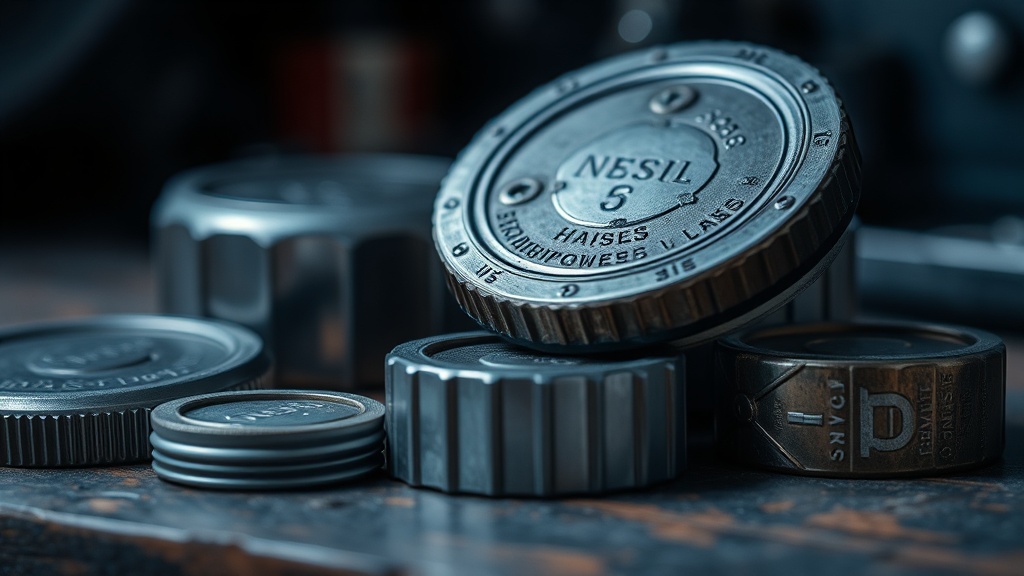
Evaluating Material Integrity in Vintage Metal Caps and Seals

Why most collectors ignore the underside of the cap
Many collectors focus solely on the graphics, the logo, or the bright colors on the top of a piece. They assume that if the top looks pristine, the item is a high-grade specimen. This is a mistake. The true integrity of a vintage metal cap or a small collectible seal often lies in the metallurgy and the physical condition of the underside. Ignoring the base of your items leads to a collection filled with hidden damage—rust, oxidation, or structural fatigue that isn't visible at first glance. Understanding what happens beneath the surface determines whether your piece is a long-term investment or a ticking time bomb of decay.
When you look at a vintage milk cap or a metal seal, you aren't just looking at a piece of history; you're looking at an engineered object. These objects were designed to be functional, and that functionality relies on the stability of the metal. If the metal is reacting to the environment, the visual beauty of the top becomes irrelevant. You need to look deeper than the surface art.
How do I identify metal fatigue in vintage seals?
Metal fatigue isn't always obvious. It often starts as microscopic stress fractures or subtle changes in the texture of the metal. To spot these issues, you can't just look; you have to observe the way light interacts with the edges. If you see tiny, jagged edges or a slight warping in the circularity of a cap, it’s a sign of structural weakness. This is particularly common in tin-plated steel, a material frequently used in mid-century production.
One way to check is through a tactile inspection. Using a gloved hand (to avoid skin oils) or a soft-bristled brush, feel along the rim. If the edges feel gritty or uneven, the metal is likely oxidizing. This isn't just a cosmetic issue—it's a structural one. If the metal is thinning due to corrosion, the piece will eventually lose its shape. For more technical details on how metals age, the American Chemical Society provides excellent resources on chemical reactions in various environments.
Check for these three common signs of fatigue:
- Pitting: Small, crater-like indentations on the surface that indicate localized corrosion.
- Edge Thinning: A reduction in the thickness of the rim, often caused by environmental moisture.
- Micro-fractures: Tiny cracks that might only be visible under a magnifying glass or high-intensity light.
What causes the rust on the bottom of my collection?
Most collectors wonder why a piece that looks perfect on top has a rusted or discolored base. The culprit is almost always the interaction between the metal and the atmosphere. Even if the top is coated in a protective lacquer or paint, the underside—the part often tucked away in a drawer or a display case—is frequently left exposed. This is where oxygen and moisture find a foothold.
Humidity is the enemy. Even in a controlled environment, moisture can settle on the underside of a metal cap. If the protective coating on the base is thin or non-existent, the metal will begin to oxidize. This process is accelerated by high salt content in the air if you live near a coast, or by improper storage in non-ventilated containers. You might think a sealed plastic bin is a good idea, but if you trap moisture inside that bin, you've actually created a micro-climate that speeds up the decay of your metal pieces.
If you want to understand the science of oxidation, looking into the material properties of tin and steel is a great starting point. The National Institute of Standards and Technology (NIST) offers data on material durability and environmental testing that is useful for high-level collectors.
Can I clean oxidation without damaging the piece?
This is a highly debated topic in the community. The short answer is: proceed with extreme caution. If you have a piece with surface rust on the underside, your instinct might be to scrub it away. However, many vintage metal caps use a thin plating that can be easily stripped or damaged by abrasives. If you remove the rust, you might also remove the original patina or the plating itself, which significantly lowers the value.
If you must clean a piece, avoid harsh chemicals. A very soft, dry brush is often the safest method for removing loose debris. If you are dealing with a stubborn spot of oxidation, a specialized metal polish used in tiny, controlled amounts is an option, but even then, you are risking the integrity of the item. Most seasoned collectors suggest leaving the underside as-is. A bit of oxidation is a mark of age, whereas a stripped metal surface looks like a botched repair.
When deciding whether to clean, ask yourself these questions:
- Is the oxidation purely surface-level, or is it eating into the metal?
- Will the cleaning process remove the original plating?
- Is the piece intended for display (where it looks fine) or for a permanent collection (where you want it preserved)?
In many cases, the best way to "clean" a piece is to prevent further damage. This means ensuring your display environment is stable. If you see a piece with significant rust, it is best to isolate it from the rest of your collection. You don't want the oxidation from one metal cap to "jump" to a more pristine piece through shared air or contact. This is especially true if you are storing them in close proximity in a single display case.
How do I prevent metal decay in my display cases?
The most effective way to protect your collection is through proactive environmental control. While you can't control the weather in Boise, you can control the micro-environment of your display. This means avoiding any direct sunlight, which can heat up the metal and speed up chemical reactions. Sunlight also degrades the pigments on the top of the caps, which is a secondary but equally important concern.
If you use a display case, ensure it is airtight but not moisture-trapping. Using silica gel packets can help manage the humidity inside the case, but you must remember to replace or reactivate them regularly. If you leave them in there for years without checking, they will become saturated and stop working, or worse, start releasing moisture back into the case.
Always check your collection every few months. A quick inspection of the undersides of your metal pieces will tell you if your storage methods are working. If you see the first signs of dulling or darkening, it's time to adjust your environment. A well-maintained collection is one where the material integrity is as strong as the visual appeal.